Training isn’t supposed to hurt. Yet most beginners — and even plenty of seasoned gym-goers — end up sidelined by avoidable injuries. Why? Because they skip the foundations.
If you’ve ever wondered how to train without pain, the answer isn’t “more supplements” or “pushing harder.” It’s learning how to move properly, respecting your body’s limits, and addressing the imbalances that life has already built into you.
This is your guide to training smarter, not just heavier.
Why Pain-Free Training Starts With Posture
The number one reason most people get injured is simple: progressing too fast.
Ego says: Add more weight.
Your body says: I’m not ready.
When you overload a movement before mastering the form, your body compensates. The wrong muscles fire to cover for the weak ones. That’s how strain builds — not just in weightlifting, but even in bodyweight training.
👉 The golden rule: Form is priority. Learn the movement. Feel the exercise. Then, and only then, add intensity.
The Problem of Muscle Imbalances
We don’t start training with a clean slate. Years of sitting at a desk, carrying kids on one hip, or repetitive physical labor shape how our bodies move.
One shoulder sits higher.
One side feels stronger.
Certain muscles feel chronically tight.
These imbalances aren’t just quirks — they’re the foundation of future injuries if ignored. Left unchecked, they distort posture and overload the wrong joints and tissues when you start exercising.
That’s why pain-free training isn’t just about doing the right workouts. It’s about undoing the habits that broke your posture in the first place.
Addressing the Root Causes of Pain
You don’t need a full-time physiotherapist to start fixing these issues. While nothing replaces professional care when you need it, there are catch-all approaches that help most people:
Stretch what’s tight. Long hours sitting? Your hips, chest, and hamstrings probably need it.
Strengthen what’s weak. Glutes, core, and back muscles often need more love than we give them.
Rebalance your body. Small corrective exercises, done consistently, make a huge difference.
Take sciatic pain as an example. Many people find relief not from medication, but from loosening the hips and strengthening the glutes and core. These targeted fixes won’t solve every case — but they can set the stage for posture-friendly, pain-free workouts.
How to Train Without Pain: A Practical Beginner’s Path
If you’re new or restarting your fitness journey, here’s where to focus:
Master the basics. Squats, hinges, pushes, pulls — learn them light, learn them right.
Check your ego. Progression is measured in control, not just in kilograms.
Feel the movement. Each rep should connect you to the right muscles, not just “get the job done.”
Balance your body. Add corrective stretches and strength work for neglected areas.
Listen, adjust, repeat. Pain isn’t a badge of honor. It’s a signal.
This approach builds not just strength, but resilience. It’s how you make fitness last decades, not just months.
Start Training Pain-Free With Duality Fitness
Most people quit because training hurts. Not because they’re lazy, but because no one ever showed them the right foundations.
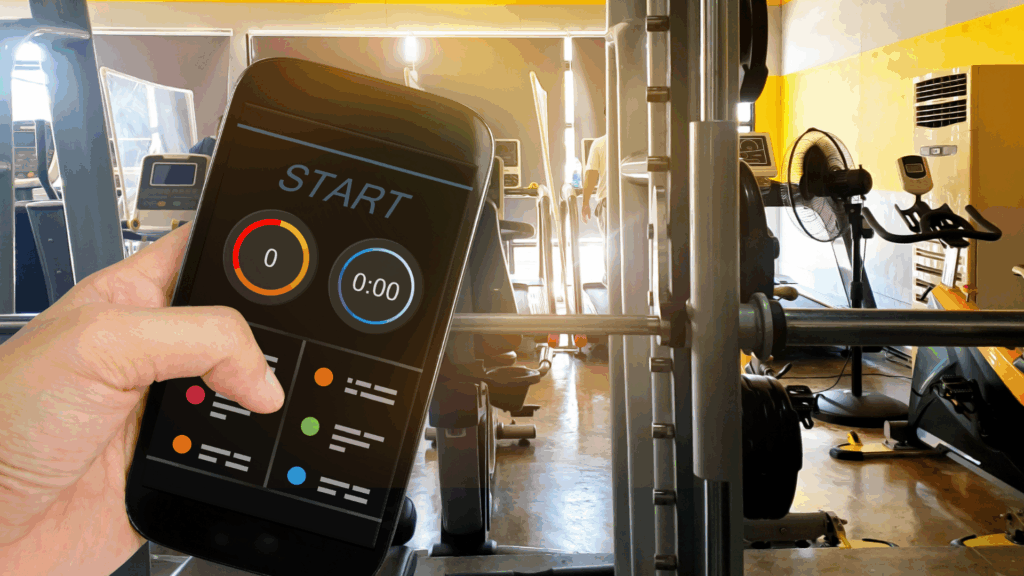
That’s why we built the Duality Fitness App — to give you guided, posture-friendly workouts designed to help you train without pain. You’ll learn the right form, correct imbalances, and build strength the way your body was meant to move.
👉 Ready to start your journey to pain-free training? Download the app today and take back control of your body.





 Carlo Gomes